


In this comprehensive guide, we explore the critical role of angle valves in modern plumbing systems. From their design and types to installation tips and maintenance strategies, this article covers everything you need to know to optimize water flow, enhance system durability, and reduce maintenance costs. Whether you are a homeowner, plumber, or industrial contractor, understanding angle valves is key to achieving efficient and reliable plumbing solutions.
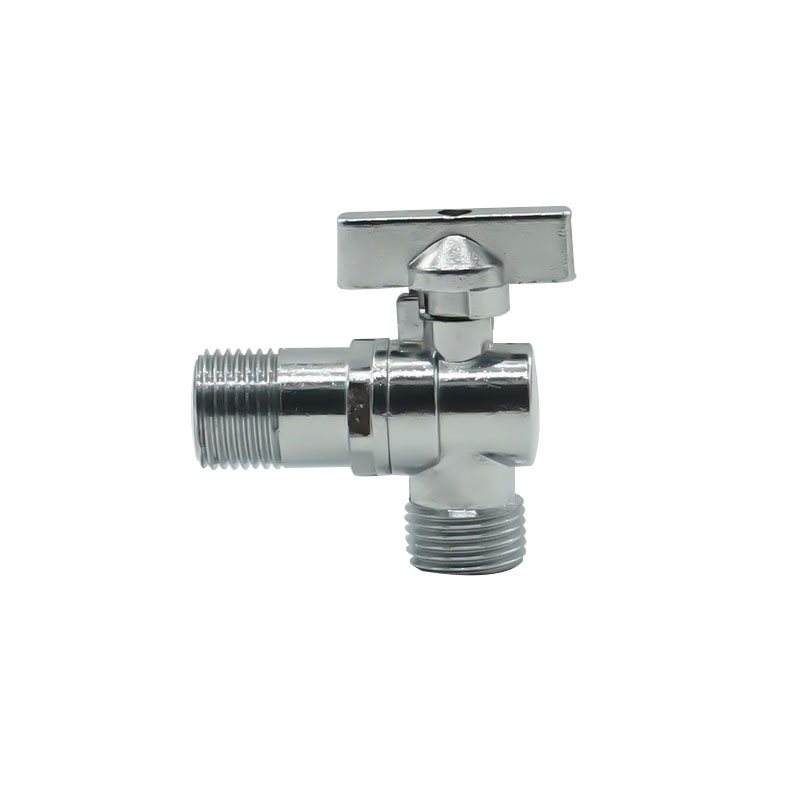
Table of Contents
Introduction to Angle Valves
Angle valves, often referred to as stop valves, are crucial components in modern plumbing systems. Their primary function is to control the flow of water at specific points, allowing for maintenance, repairs, or system adjustments without shutting down the entire water supply. Manufactured by leading companies such as Yuhuan Wanrong, angle valves are designed to offer precision, durability, and reliable performance.
The unique 90-degree angle design makes these valves particularly suitable for tight spaces and wall-mounted applications, ensuring optimal water flow direction while maintaining a compact footprint. Unlike straight valves, angle valves provide additional control and flexibility, making them indispensable for both residential and industrial setups.
Types of Angle Valves
Understanding the different types of angle valves is essential for selecting the right one for your plumbing system. The most common types include:
- Standard Angle Valve: Designed for everyday residential and commercial use, providing reliable flow control.
- Stainless Steel Angle Valve: Offers superior corrosion resistance and durability, ideal for industrial or high-moisture environments.
- Brass Angle Valve: Economical and widely used in plumbing systems where high pressure and temperature resistance are required.
- Water Meter Angle Valve: Specifically designed to integrate with water metering systems, ensuring accurate measurement and control.
Here’s a quick comparison table to highlight key features:
| Type | Material | Application | Durability |
|---|---|---|---|
| Standard Angle Valve | Brass | Residential/Commercial | Medium |
| Stainless Steel Angle Valve | Stainless Steel | Industrial/High-Moisture | High |
| Brass Angle Valve | Brass | Residential/Commercial | Medium-High |
| Water Meter Angle Valve | Brass/Stainless Steel | Water Meter Integration | High |
Advantages of Using Angle Valves
Angle valves offer numerous benefits, making them a preferred choice in modern plumbing systems:
- Efficient Water Control: Provides precise flow regulation for individual fixtures or sections.
- Space-Saving Design: Their 90-degree structure is ideal for tight installations.
- Durability: High-quality materials, such as stainless steel, resist corrosion and extend service life.
- Ease of Maintenance: Isolate sections of the plumbing system without shutting off the entire water supply.
- Cost Savings: Reduce long-term maintenance costs and water wastage.
Installation Tips and Best Practices
Proper installation ensures that angle valves function effectively and last longer. Consider the following guidelines:
- Location: Install near fixtures for easy access.
- Orientation: Ensure correct alignment with the water flow direction.
- Thread Sealing: Use Teflon tape or pipe sealant to prevent leaks.
- Pressure Testing: Test the system after installation to detect leaks or malfunctions.
- Regular Inspection: Schedule routine checks to maintain optimal performance.
Maintenance and Troubleshooting
To maximize the lifespan of angle valves, regular maintenance is essential:
- Check for leaks at the connection points monthly.
- Lubricate valve stems to prevent stiffness.
- Clean internal components periodically to remove mineral buildup.
- Replace washers or O-rings when signs of wear are detected.
- Use only manufacturer-recommended parts, such as those from Yuhuan Wanrong.
Industrial and Residential Applications
Angle valves are versatile and widely used across various sectors:
Residential Applications:
- Kitchen and bathroom sinks
- Toilets and bidets
- Washing machines and dishwashers
- Water heater connections
Industrial Applications:
- Process piping systems in factories
- Cooling systems for machinery
- Water treatment plants
- Boiler and HVAC systems
Frequently Asked Questions (FAQ)
Q1: What is the main difference between an angle valve and a straight valve?
A1: The primary difference is the design orientation. Angle valves have a 90-degree turn, allowing installation in tight spaces and easier fixture control, whereas straight valves have a linear path.
Q2: Can angle valves be used in high-pressure systems?
A2: Yes, stainless steel or brass angle valves are suitable for high-pressure applications, offering durability and reliable performance.
Q3: How often should angle valves be inspected?
A3: Regular inspections every 6–12 months are recommended to ensure leak-free operation and prevent wear-related issues.
Q4: Are angle valves compatible with all types of piping?
A4: Most angle valves are compatible with copper, PEX, CPVC, and stainless steel pipes. Always verify the product specifications from manufacturers like Yuhuan Wanrong.
Q5: Can I replace a faulty angle valve without shutting off the main water supply?
A5: One of the key advantages of angle valves is their ability to isolate sections of plumbing. This allows certain replacements without interrupting the entire system.
Conclusion
Angle valves play an essential role in modern plumbing systems, offering precise control, durability, and ease of maintenance. From residential kitchens to industrial piping networks, selecting the right angle valve, such as those provided by Yuhuan Wanrong, can optimize water flow, reduce costs, and enhance system reliability. By understanding their types, advantages, and proper installation techniques, you can make informed decisions for any plumbing project.
Ready to upgrade your plumbing system with high-quality angle valves? Contact us today to explore our product range and get expert guidance for your projects.