A Bronze Floating Ball Valve is one of the most reliable and efficient valve solutions used in industrial pipelines, water treatment systems, marine engineering, oil transportation, HVAC systems, and commercial plumbing networks. Its strong corrosion resistance, excellent sealing performance, compact structure, and long service life make it a preferred option for professionals seeking durability and operational stability.
This article explains everything buyers, engineers, distributors, and project managers need to know about bronze floating ball valves, including their working principle, material advantages, applications, maintenance methods, performance comparison, common problems, and selection tips. Whether you are sourcing valves for industrial projects or upgrading existing systems, this guide provides valuable insights to help you make informed decisions.
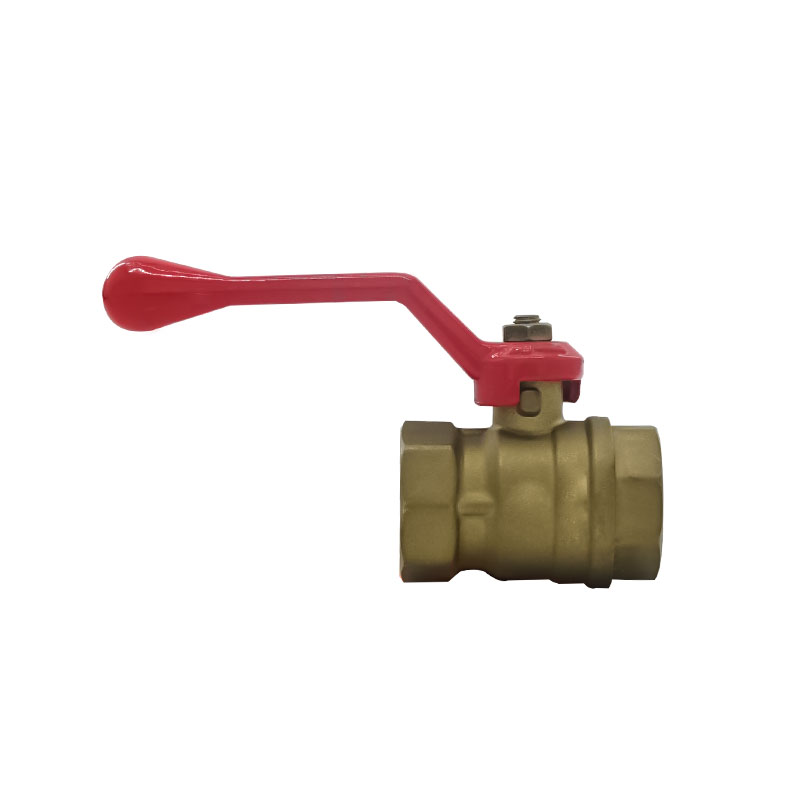
Table of Contents
1. What Is a Bronze Floating Ball Valve?
A Bronze Floating Ball Valve is a quarter-turn shut-off valve designed to regulate fluid flow through pipelines. The valve contains a floating ball with a central bore. When the handle rotates 90 degrees, the bore aligns with the pipeline to allow flow or turns perpendicular to stop flow completely.
The “floating” design means the ball is not rigidly fixed. Instead, pressure pushes the ball slightly against the downstream seat, creating a tight seal and minimizing leakage.
Bronze material is widely selected because it offers excellent corrosion resistance, high mechanical strength, and long-lasting reliability in harsh environments.
|
Component
|
Function
|
|
Valve Body
|
Contains internal valve components
|
|
Floating Ball
|
Controls flow direction and sealing
|
|
Seats
|
Provide tight sealing contact
|
|
Stem
|
Connects handle to ball
|
|
Handle
|
Manual operation control
|
2. How Does a Bronze Floating Ball Valve Work?
The working mechanism of a bronze floating ball valve is simple yet highly effective.
Inside the valve body is a precision-machined metal ball with a through-hole. During operation:
-
When the handle is parallel to the pipe, the valve remains open.
-
When the handle rotates 90 degrees, the solid side of the ball blocks the fluid path.
-
The floating ball moves slightly downstream under pressure.
-
This movement enhances sealing performance by pressing the ball firmly against the seat.
Because of this self-sealing capability, floating ball valves are widely used in systems requiring leak-free operation.
Key Benefit: The floating structure reduces operational torque while improving sealing efficiency under varying pressure conditions.
3. Why Are Bronze Floating Ball Valves So Popular?
Many industries choose bronze floating ball valves because they offer a balanced combination of durability, efficiency, affordability, and corrosion resistance.
Excellent Corrosion Resistance
Bronze performs exceptionally well in water systems, seawater environments, and mildly corrosive media. This makes bronze valves ideal for marine applications and plumbing systems.
Superior Sealing Performance
The floating ball structure provides automatic pressure-assisted sealing, helping reduce leakage risks significantly.
Long Service Life
Bronze materials resist wear, rust, and chemical damage better than ordinary steel valves in many environments.
Easy Operation
Quarter-turn operation allows quick opening and closing, reducing labor requirements during maintenance or emergency shutdowns.
Compact Design
These valves are relatively compact and lightweight compared with gate valves or globe valves, simplifying installation.
|
Advantage
|
Customer Benefit
|
|
Corrosion Resistance
|
Longer lifespan in wet environments
|
|
Tight Sealing
|
Reduced leakage and maintenance
|
|
Quick Operation
|
Fast system control
|
|
Durability
|
Lower replacement costs
|
|
Versatility
|
Suitable for multiple industries
|
4. Common Applications Across Industries
Bronze floating ball valves are widely used across many sectors because of their adaptability and reliable performance.
Water Supply Systems
Municipal water distribution systems use bronze valves extensively due to their corrosion resistance and safety for potable water.
Marine Engineering
Bronze valves perform well in seawater conditions, making them suitable for shipbuilding and offshore installations.
HVAC Systems
Heating and cooling systems rely on floating ball valves for fast shut-off and accurate flow control.
Oil and Gas Industry
Many oil transportation pipelines use bronze ball valves for medium-pressure flow regulation.
Commercial Plumbing
Hotels, office buildings, and industrial facilities install bronze valves because they are durable and easy to maintain.
Industries Using Bronze Floating Ball Valves:
-
Marine
-
Petrochemical
-
Water treatment
-
Fire protection systems
-
Food processing
-
Industrial manufacturing
-
HVAC engineering
-
Commercial construction
5. Bronze Floating Ball Valve vs Other Valve Materials
Choosing the correct valve material is critical for system safety and operational efficiency.
|
Material
|
Advantages
|
Limitations
|
|
Bronze
|
Corrosion resistant, durable, reliable
|
Higher cost than PVC
|
|
Stainless Steel
|
Excellent strength and temperature resistance
|
More expensive
|
|
PVC
|
Low cost and lightweight
|
Limited durability
|
|
Cast Iron
|
Strong and affordable
|
Prone to corrosion
|
For applications involving water exposure or marine environments, bronze often provides the best balance between performance and cost.
6. How to Choose the Right Bronze Floating Ball Valve
Selecting the right valve requires evaluating multiple operational factors.
Pressure Rating
Always verify the valve pressure rating matches the pipeline system requirements.
Temperature Range
Check whether the valve can withstand the operating temperature of the fluid.
Connection Type
Common options include threaded, flanged, and welded connections.
Media Compatibility
Ensure the bronze material is compatible with the fluid being transported.
Valve Size
Incorrect sizing may reduce flow efficiency or create pressure losses.
Professional Buying Checklist:
-
Check pressure rating
-
Confirm valve dimensions
-
Review sealing material
-
Verify operating temperature
-
Inspect certification standards
-
Choose reputable manufacturers
-
Request testing documentation
7. Installation Best Practices
Proper installation directly impacts valve lifespan and operational reliability.
-
Clean the pipeline before installation.
-
Avoid overtightening threaded connections.
-
Install according to flow direction indicators.
-
Perform pressure testing after installation.
-
Ensure sufficient operating space around the valve.
-
Use compatible sealing compounds if required.
Improper installation can lead to leakage, pressure loss, and premature valve failure.
Important Tip: Always inspect valve seats and sealing surfaces before system startup.
8. Maintenance and Troubleshooting Guide
Although bronze floating ball valves require relatively low maintenance, periodic inspection is still essential.
Routine Maintenance Tasks
-
Inspect for external leakage
-
Check handle movement
-
Verify sealing integrity
-
Clean accumulated debris
-
Lubricate moving components if necessary
Common Problems and Solutions
|
Problem
|
Possible Cause
|
Solution
|
|
Leakage
|
Damaged seat
|
Replace sealing components
|
|
Hard operation
|
Debris buildup
|
Clean internal components
|
|
Pressure drop
|
Incorrect sizing
|
Install correct valve size
|
|
Corrosion spots
|
Chemical incompatibility
|
Use suitable material grade
|
9. Common Buying Mistakes to Avoid
Many buyers focus only on price and ignore critical technical specifications.
-
Choosing incorrect pressure ratings
-
Ignoring media compatibility
-
Selecting unverified manufacturers
-
Using oversized or undersized valves
-
Overlooking maintenance accessibility
-
Ignoring certification requirements
A low-cost valve may lead to higher maintenance expenses and costly downtime in the future.
10. Future Trends in Valve Technology
Industrial valve technology continues evolving toward greater efficiency, sustainability, and automation.
Smart Valve Integration
Modern systems increasingly use sensors and automated actuators for remote monitoring.
Improved Sealing Materials
Advanced sealing technologies improve leakage prevention and extend service life.
Energy-Efficient Designs
Manufacturers continue optimizing valve flow paths to reduce energy loss.
Enhanced Corrosion Protection
New bronze alloy formulations provide better durability in aggressive environments.
11. Frequently Asked Questions
Q1: What is the main advantage of a bronze floating ball valve?
The primary advantage is its combination of corrosion resistance, reliable sealing, and long service life.
Q2: Can bronze floating ball valves be used for seawater?
Yes. Bronze offers excellent resistance to seawater corrosion, making it highly suitable for marine applications.
Q3: Are bronze valves suitable for high temperatures?
Bronze valves can handle moderate to high temperatures depending on their design and sealing materials.
Q4: How often should maintenance be performed?
Routine inspections are recommended every 6 to 12 months depending on operating conditions.
Q5: What industries use bronze floating ball valves the most?
Water treatment, marine engineering, HVAC, oil transportation, and industrial plumbing industries commonly use them.
Q6: How long can a bronze floating ball valve last?
With proper installation and maintenance, many bronze valves operate reliably for more than 10 years.
12. Conclusion
Bronze Floating Ball Valves continue to play a critical role in modern fluid control systems because of their durability, corrosion resistance, operational simplicity, and dependable sealing capabilities. From commercial plumbing systems to marine engineering projects, these valves provide reliable long-term performance across a wide range of applications.
Choosing the correct valve involves understanding pressure ratings, installation requirements, material compatibility, and maintenance needs. By selecting high-quality products from trusted manufacturers, businesses can significantly improve system reliability while reducing downtime and maintenance costs.
Yuhuan Wanrong Copper Industry Co.,Ltd specializes in high-quality brass and bronze valve manufacturing for global industrial and commercial applications. Our experienced team is committed to delivering durable products, strict quality control, and professional customer support.
Contact us today to discuss your project requirements and discover dependable valve solutions tailored to your business needs.
 English
  Español
  Português
  русский
  Français
  日本語
日本語  Deutsch
  tiếng Việt
  Italiano
  Nederlands
  ภาษาไทย
  Polski
  한국어
한국어  Svenska
  magyar
  Malay
Malay  বাংলা ভাষার
  Dansk
Dansk  Suomi
Suomi  हिन्दी
  Pilipino
  Türkçe
  Gaeilge
  العربية
  Indonesia
  Norsk
Norsk  تمل
تمل  český
český  ελληνικά
  український
  Javanese
  فارسی
فارسی  தமிழ்
தமிழ்  తెలుగు
  नेपाली
  Burmese
  български
  ລາວ
ລາວ  Latine
  Қазақша
  Euskal
  Azərbaycan
  Slovenský jazyk
  Македонски
  Lietuvos
  Eesti Keel
  Română
  Slovenski
  मराठी
मराठी  Srpski језик


