In modern plumbing and piping systems, reliability, safety, and long-term performance are critical requirements. Among the many valve solutions available today, the PPR Brass Ball Valve has gained significant attention due to its durability, corrosion resistance, and excellent sealing performance. Whether used in residential water supply systems, commercial buildings, or industrial pipelines, this valve type plays an essential role in controlling water flow efficiently and safely.
This article explores everything you need to know about PPR brass ball valves, including their structure, advantages, applications, installation tips, and common issues users face. It is designed to help engineers, contractors, distributors, and end-users make informed decisions when selecting plumbing components.
Article Summary
This guide provides a comprehensive overview of PPR Brass Ball Valves, covering their construction, working principles, benefits, and real-world applications. It also highlights how they compare with other valve types, common installation mistakes, maintenance practices, and buying considerations. By the end of this article, you will understand why this valve has become a preferred solution in modern plumbing systems.
Table of Contents
1. What Is a PPR Brass Ball Valve?
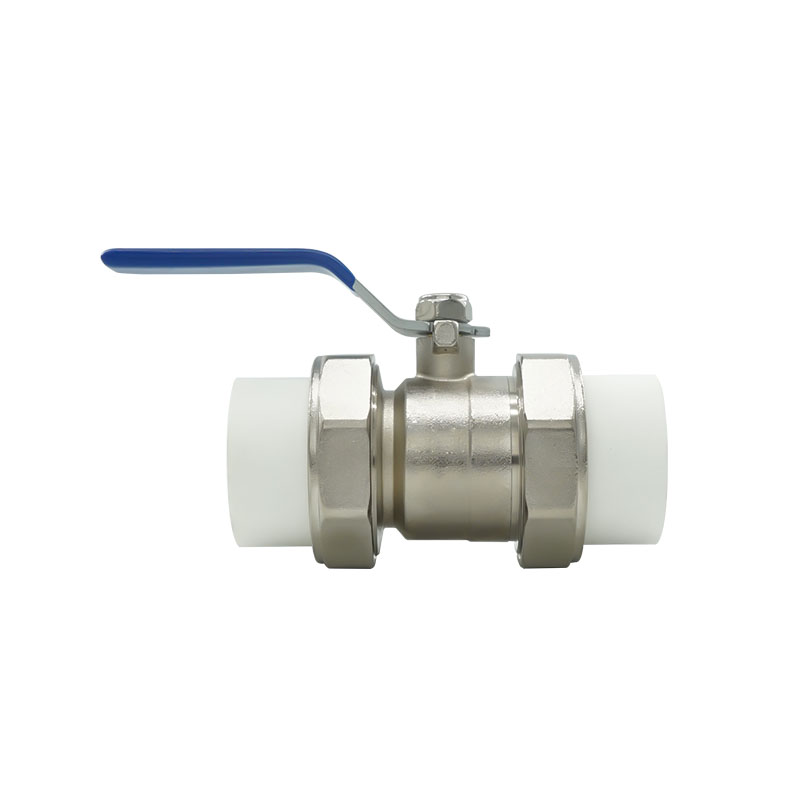
A PPR Brass Ball Valve is a hybrid plumbing valve that combines two materials: PPR (Polypropylene Random Copolymer) and brass. The valve body is typically made of PPR, while the internal ball mechanism is constructed from brass to ensure strength, precision, and durability.
This combination allows the valve to deliver both chemical resistance (from PPR) and mechanical strength (from brass), making it suitable for hot and cold water systems.
-
PPR body: Lightweight, corrosion-resistant, and safe for potable water
-
Brass ball: High strength, smooth operation, and excellent sealing
-
Handle: Usually lever-type for quick open/close operation
2. Structure and Working Principle
The working principle of a PPR brass ball valve is simple yet highly effective. Inside the valve body, a spherical brass ball with a central hole rotates 90 degrees to control fluid flow.
-
When the handle is parallel to the pipe, the valve is open
-
When the handle is perpendicular, the valve is closed
This quarter-turn mechanism allows fast operation and minimal pressure loss compared to traditional gate valves.
|
Component
|
Material
|
Function
|
|
Valve Body
|
PPR
|
Structural housing and corrosion protection
|
|
Ball
|
Brass
|
Controls water flow
|
|
Seal Ring
|
PTFE (Teflon)
|
Ensures leak-proof performance
|
|
Handle
|
Metal/Plastic
|
Manual operation control
|
3. Key Advantages of PPR Brass Ball Valve
The popularity of PPR brass ball valves is not accidental. Their unique combination of materials offers multiple advantages that solve common plumbing challenges.
1. Excellent Corrosion Resistance
PPR material resists chemical corrosion, making it suitable for both potable water and industrial fluids.
2. High Durability
Brass internal components ensure long service life even under frequent operation.
3. Leak-Proof Performance
Precision sealing reduces the risk of leakage, especially in high-pressure systems.
4. Easy Operation
The quarter-turn mechanism allows quick opening and closing with minimal effort.
5. Cost-Effective Solution
Compared to full-metal valves, PPR brass valves offer a more economical alternative without sacrificing performance.
4. PPR Brass Ball Valve vs Other Valve Types
Understanding how PPR brass ball valves compare with other common valve types helps in selecting the right product for specific applications.
|
Type
|
Advantages
|
Disadvantages
|
|
PPR Brass Ball Valve
|
Corrosion-resistant, durable, easy operation
|
Not suitable for extremely high-pressure industrial systems
|
|
Gate Valve
|
Good for full flow control
|
Slow operation, prone to wear
|
|
Plastic Ball Valve
|
Lightweight, low cost
|
Lower strength and durability
|
|
Stainless Steel Valve
|
Very strong and durable
|
Higher cost and heavier weight
|
5. Applications in Different Industries
PPR brass ball valves are widely used across various sectors due to their versatility and reliability.
-
Residential plumbing: Water supply systems in homes and apartments
-
Commercial buildings: Hotels, malls, and office water systems
-
Industrial use: Light chemical and fluid transport systems
-
Agriculture: Irrigation and water distribution networks
-
HVAC systems: Heating and cooling water control
6. Installation Guidelines
Proper installation is essential for ensuring long-term performance of a PPR brass ball valve.
-
Ensure pipes are clean before installation
-
Use correct heat fusion tools for PPR connections
-
Avoid over-tightening threaded brass connections
-
Maintain proper alignment to prevent stress on joints
-
Test system pressure after installation
Incorrect installation can lead to leakage, reduced lifespan, and system inefficiency.
7. Maintenance and Troubleshooting
Although PPR brass ball valves are low-maintenance, periodic checks are recommended.
Common Issues
-
Handle stiffness due to debris buildup
-
Leakage from sealing wear
-
Internal scaling in hard water systems
Maintenance Tips
-
Operate valve periodically to prevent sticking
-
Inspect seals annually
-
Flush system to reduce sediment buildup
8. How to Choose the Right Valve
Selecting the right PPR brass ball valve requires attention to several key factors:
-
Size compatibility: Match valve diameter with pipeline system
-
Pressure rating: Ensure it meets system requirements
-
Temperature resistance: Suitable for hot and cold water
-
Brass quality: High-quality brass ensures durability
-
Certification: Look for quality standards for safety assurance
9. Frequently Asked Questions (FAQ)
Q1: What makes PPR brass ball valves better than plastic valves?
They combine plastic corrosion resistance with brass durability, offering a balanced performance.
Q2: Can they be used for hot water systems?
Yes, they are designed to handle both hot and cold water applications.
Q3: How long do they last?
With proper installation and maintenance, they can last many years in normal conditions.
Q4: Are they suitable for industrial use?
Yes, but they are best for light to medium industrial applications.
Q5: Do they require frequent maintenance?
No, they are low-maintenance but periodic inspection is recommended.
10. Conclusion
The PPR Brass Ball Valve has become a critical component in modern plumbing systems due to its durability, efficiency, and cost-effectiveness. By combining the best properties of PPR and brass materials, it offers a reliable solution for residential, commercial, and industrial applications.
From easy operation to long service life, this valve type addresses many of the common pain points in fluid control systems. Choosing the right valve and ensuring proper installation can significantly enhance system performance and reduce maintenance costs.
Yuhuan Wanrong Copper Industry Co.,Ltd is committed to providing high-quality valve solutions designed to meet global standards and customer expectations. If you are looking for reliable PPR brass ball valves or customized plumbing components, we are ready to support your project.
Contact us today to learn more about our products, request a quotation, or discuss your specific requirements with our technical team.
 English
  Español
  Português
  русский
  Français
  日本語
日本語  Deutsch
  tiếng Việt
  Italiano
  Nederlands
  ภาษาไทย
  Polski
  한국어
한국어  Svenska
  magyar
  Malay
Malay  বাংলা ভাষার
  Dansk
Dansk  Suomi
Suomi  हिन्दी
  Pilipino
  Türkçe
  Gaeilge
  العربية
  Indonesia
  Norsk
Norsk  تمل
تمل  český
český  ελληνικά
  український
  Javanese
  فارسی
فارسی  தமிழ்
தமிழ்  తెలుగు
  नेपाली
  Burmese
  български
  ລາວ
ລາວ  Latine
  Қазақша
  Euskal
  Azərbaycan
  Slovenský jazyk
  Македонски
  Lietuvos
  Eesti Keel
  Română
  Slovenski
  मराठी
मराठी  Srpski језик


